Marathon Training Without Injury: Your Complete Prevention Guide Training for a marathon is one of the most rewarding physical challenges you can undertake. The discipline, mental resilience, and sense of accomplishment that comes with completing 42.2 kilometres is transformative. But here’s the sobering reality: up to 65% of marathon runners experience injury during their training cycle. The good news? It…
Movement for Busy Lifestyles: Staying Active with Limited Time Between work deadlines, family commitments, and daily responsibilities, finding time to exercise feels impossible. You know movement is important — your increasingly stiff back, tight shoulders, and low energy remind you daily — but the gap between knowing and doing feels insurmountable when you’re already overwhelmed. Here’s the truth: you don’t…
Cardio vs Strength Training: Finding the Right Balance for Your Body Walk into any gym and you’ll see two distinct groups: the cardio enthusiasts logging endless kilometres on treadmills and the strength devotees who never leave the weights area. Both believe they’ve found the optimal approach to fitness, but the truth is more nuanced. Your body needs both cardio and…
Running with a Cause: Train Smart for Melbourne’s Charity Runs Melbourne hosts incredible charity runs year-round — the Mother’s Day Classic, Run Melbourne, City2Sea, and countless local fundraisers supporting everything from cancer research to mental health awareness. These events bring together thousands of participants united by purpose, community spirit, and the determination to make a difference. Running for a cause…
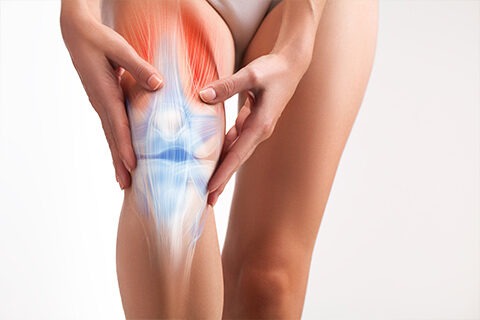
Patellofemoral pain (PFP) is a common condition that is characterised by mild to moderate discomfort around the knee cap, which can worsened with activity.It can cause pain for just a few weeks, right up to multiple years, and, at times, can be difficult to treat
Background
Anterior shin pain refers to any pain experienced at the front of the shin area (see image below). It is most often experienced during exercise, especially during running.
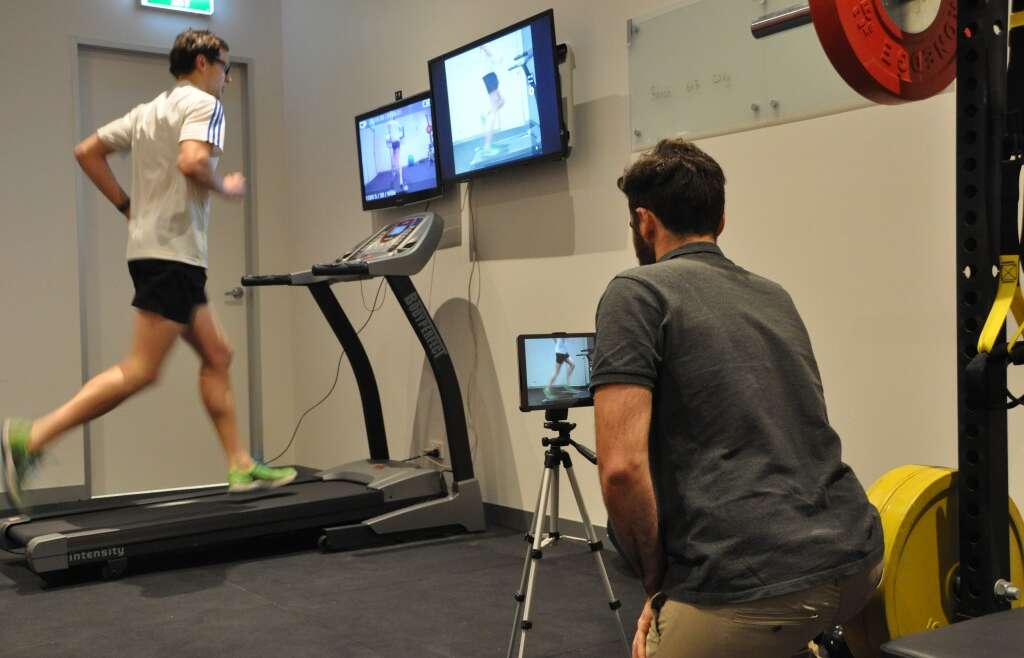
1. Determine if there is a technique or biomechanical deficiency maintaining the injury
2. Investigate possible causative factors of the injury which may re-occur when returning to sport
3. Improve performance and potentially reduce risk of Annual future injury