

Australian Open 2026 is Here! Tennis Injury Prevention – Complete Guide
The Australian Open has just kicked off, and tennis fever is sweeping Melbourne! Whether you’re inspired by the pros at Melbourne Park or you’re a regular on the local courts, now’s the perfect time to talk injury prevention.
As osteopaths specialising in sports injuries, we see a spike in tennis-related problems every January. The good news? Most are preventable.
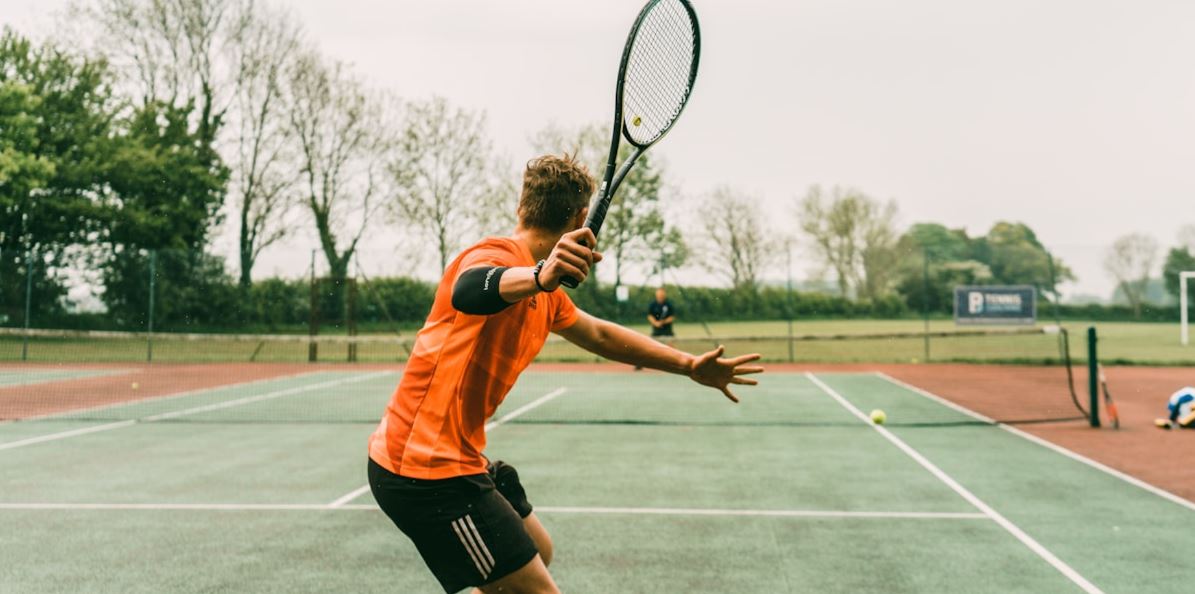
Prevent injuries and play your best tennis this season
Common Tennis Injuries We Treat
- Tennis elbow (lateral epicondylitis) – Pain on the outer elbow from repetitive backhand strokes
- Rotator cuff strains – Shoulder injuries from powerful serves and overhead shots
- Ankle sprains – From quick lateral movements and sudden direction changes
- Lower back pain – Strain from the twisting motion of serves
- Wrist tendonitis – Inflammation from improper technique or overuse
Part 1: Pre-Game Essentials
Dynamic Warm-Up (10-15 minutes)
Start with light cardio – jog around the court, then add arm circles, leg swings, and torso rotations. Cold muscles are injury-prone muscles. Your warm-up should include high knees, butt kicks, walking lunges, side shuffles, and trunk rotations to prepare the specific muscle groups you’ll use during play.
Shoulder Preparation
Your serve puts enormous stress on your shoulder. Do band rotations and gentle stretching before picking up your racquet. Focus on external and internal rotation exercises to activate the rotator cuff muscles. Shoulder injuries account for nearly 20% of all tennis injuries, making this preparation crucial.
Grip Check
Wrong grip size causes elbow problems. Your grip should allow a finger’s width between your palm and fingertips when holding the racquet. If you’re experiencing elbow pain, having a professional check your grip size and technique could be the simple solution you need.
Gradual Progression
Don’t go from zero to hero. If you haven’t played in months, ease back in with shorter sessions. Start with 30-45 minute sessions and gradually build up intensity over several weeks. Weekend warriors who jump straight into intense matches are at highest risk for acute injuries.
Part 2: During & Post-Game Injury Prevention
Technique Matters More Than Power
Poor technique is the leading cause of chronic tennis injuries. Your body compensates for improper form by overloading certain muscles and joints.

Proper technique reduces injury risk and improves your game
Technique Matters More Than Power
Poor technique is the leading cause of chronic tennis injuries. Your body compensates for improper form by overloading certain muscles and joints.
Focus on:
- Footwork first – Proper positioning reduces strain on your upper body
- Full-body rotation – Use your hips and core, not just your arm
- Serve mechanics – A fluid service motion protects your shoulder and back
- Two-handed backhand – Distributes force more evenly if struggling with tennis elbow
Stay Hydrated and Listen to Your Body
Melbourne’s summer heat affects muscle function and coordination. Drink 500ml of water 2 hours before playing and sip 200ml every 15 minutes during play. Pain is your body’s warning system. Stop playing if you experience sharp pain, swelling, limited range of motion, or pain that worsens as you continue.
Post-Match Recovery Routine
What you do after tennis is just as important as your warm-up.
Essential post-game steps:
- Static Stretching (10 minutes) – Focus on calves, hamstrings, hip flexors, shoulders, and forearms. Hold each stretch for 30 seconds
- Ice Problem Areas – Apply ice for 15 minutes to any soreness or inflammation
- Foam Rolling – Target calves, quads, IT bands, and upper back to release muscle tension
- Refuel – Consume protein and carbohydrates within 30 minutes to support muscle recovery
Strengthening and Cross-Training
Don’t just play tennis – train for tennis. Off-court conditioning strengthens the muscles that protect your joints during play.
Weekly training should include:
- Core strengthening (planks, Russian twists, bird dogs)
- Shoulder stability work (resistance band exercises)
- Leg strength training (squats, lunges, single-leg deadlifts)
- Flexibility work (yoga or dedicated stretching sessions)
Cross-training gives tennis-specific muscles a break while maintaining overall fitness and reducing overuse injury risk.
When to Seek Professional Help
If you’re experiencing persistent pain, reduced performance, or recurring injuries, it’s time to see a healthcare professional. Osteopathic treatment can identify biomechanical issues, address muscle imbalances, and create a personalised rehabilitation plan. Early intervention prevents minor issues from becoming chronic problems.
Experiencing tennis-related pain or want a pre-season assessment? Contact our clinic today to book an appointment with one of our sports injury specialists. We’ll help you stay on court and perform at your best.
FREQUENTLY ASKED QUESTIONS
Q: How can I prevent tennis elbow? Tennis elbow prevention focuses on proper technique, appropriate equipment, and adequate rest. Ensure your racquet grip size is correct (one finger should fit between your palm and fingertips), use a two-handed backhand if possible, and strengthen your forearm muscles with wrist curls and resistance band exercises. Avoid gripping too tightly, take breaks between sessions, and if pain develops, stop playing and ice the area immediately. Many cases result from using arm strength alone instead of engaging your core and legs.
Q: What’s the best way to warm up before a tennis match? An effective tennis warm-up should last 10-15 minutes and include general cardio (jogging, jumping jacks), dynamic stretching (leg swings, arm circles, walking lunges, torso rotations), and sport-specific movements (shadow swings, short rallies, practice serves at 50-75% intensity). Never do static stretching before playing as it can reduce power and increase injury risk. Start gently and progressively increase intensity until you’re moving at match pace.
Q: How often should I play tennis to avoid overuse injuries? For recreational players, 2-3 times per week with at least one rest day between sessions is ideal. This allows adequate recovery while maintaining fitness and skill development. If playing more frequently, vary intensity levels – alternate between competitive matches and lighter practice sessions. Include cross-training on non-tennis days. Weekend warriors who play intensely only once per week are actually at higher injury risk than those who play moderately more frequently.
Q: Should I play through tennis shoulder pain or rest? Never play through sharp or worsening shoulder pain. Mild muscle soreness after a session is normal, but pain during serving or overhead shots indicates potential rotator cuff problems that worsen with continued play. Stop immediately if you experience sharp pain, weakness, limited range of motion, or persistent pain. Apply ice for 15 minutes and avoid tennis for 48-72 hours. If pain continues or returns when resuming play, consult an osteopath or sports medicine professional.
Q: What strength exercises should tennis players do to prevent injuries? Essential exercises include planks and anti-rotation work for core stability, external rotation band work and shoulder presses for rotator cuff strength, squats and lunges for leg power, wrist curls for forearm strength, and single-leg balance exercises for ankle stability. Aim for 2-3 strength sessions per week, focusing on higher repetitions (12-15) with moderate weight. Include exercises that mimic tennis movements, such as medicine ball throws and rotational cable work.
Contact our friendly Osteo team at MOSIC. We can help you prevent or recover from your injuries.
