
What to Expect at Your First Osteopathy Appointment: A Complete Guide
If you’re considering osteopathic treatment for the first time, you might be wondering what actually happens during an osteopathy session. Understanding what to expect at your first osteopath appointment can help ease concerns and ensure you get the most from your visit.

Osteopathy takes a whole-body approach to healthcare
What is Osteopathy and How Can It Help You?
Osteopathy is a holistic approach to healthcare that focuses on the relationship between your body’s structure and function. Osteopathic practitioners use hands-on techniques to diagnose and treat a wide range of conditions, from musculoskeletal pain to headaches, digestive issues, and postural problems. Unlike conventional medicine that often treats symptoms in isolation, osteopathy considers your entire body as an interconnected system.
Preparing for your first osteopathy appointment
What to Bring:
- Any relevant medical records, imaging results (X-rays, MRIs), or test results
- A list of current medications and supplements
- Comfortable, loose-fitting clothing you can move in easily
What to Avoid:
- Applying lotions or oils on the day of your appointment
- Eating a heavy meal right before your session
Most osteopathy appointments last between 45 to 60 minutes, with initial consultations sometimes running longer to allow for a comprehensive assessment.
What happens during your first Osteopath visit
Initial Consultation and Medical History
Your first osteopathy session begins with a detailed conversation about your health concerns. Your osteopath will ask about your primary complaint, when symptoms started, medical history, lifestyle factors, and any previous treatments you’ve tried. This comprehensive intake helps your practitioner understand not just your immediate pain, but the underlying factors contributing to your condition.
Phyiscal Assessment and Examination

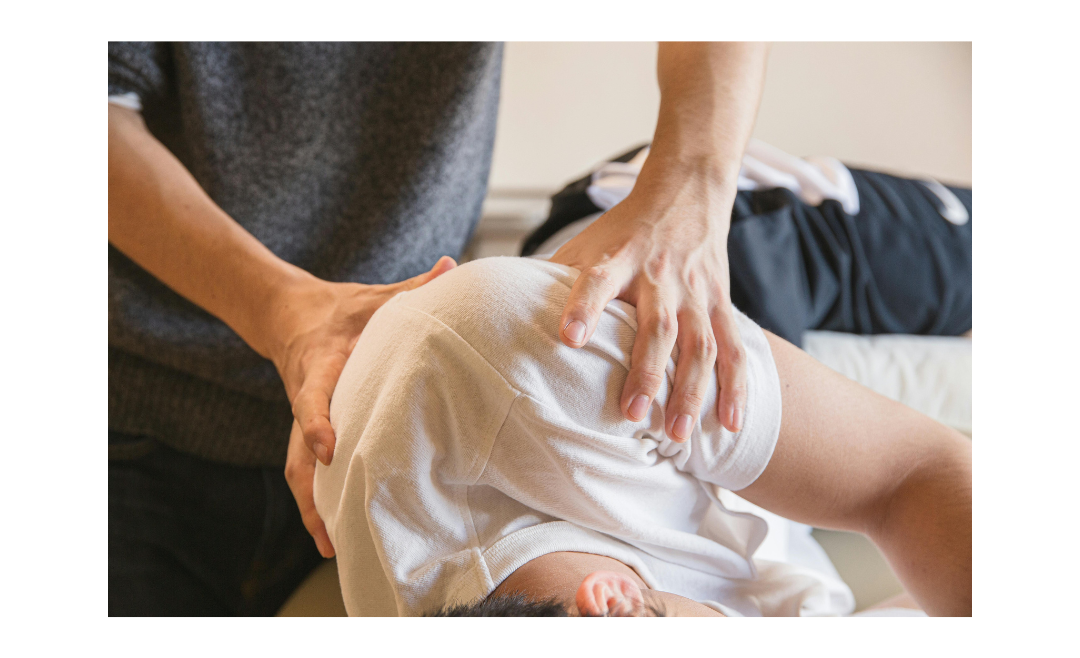
Your osteopath will conduct a thorough physical examination
After discussing your health history, your osteopath will conduct a thorough physical examination including:
- Postural Analysis: Observing how you stand, sit, and move to identify imbalances
- Range of Motion Testing: Assessing joint mobility and flexibility
- Palpation: Using their hands to identify areas of tension or restriction
- Orthopedic Tests: Specific tests to confirm clinical findings
You’ll remain clothed throughout the examination, though you may be asked to remove outer layers to allow proper assessment.
Osteopathic treatment techniques
Based on their assessment, your osteopath will use various hands-on techniques:
Soft Tissue Manipulation: Stretching and massaging muscles, tendons, and ligaments to relieve tension and improve circulation. Most patients find this relaxing and therapeutic.
Articulation: Gently moving joints through their natural range of motion to improve mobility and reduce stiffness.
High-Velocity Thrust (Spinal Manipulation): Quick, controlled movements that help restore joint mobility, often accompanied by a “popping” sound. This is completely normal, painless, and only performed with your consent.
Muscle Energy Technique: You actively use your muscles against gentle resistance from your osteopath to realign joints and improve muscle balance.
Myofascial Release: Sustained pressure to release tension in the connective tissue surrounding muscles, particularly effective for chronic pain.
Cranial Osteopathy: Gentle manipulation of the skull and sacrum, often helpful for headaches, TMJ dysfunction, and stress-related conditions.
Most treatments are gentle and should not cause significant pain. Your osteopath will always work within your comfort level and check in regularly throughout the session.
After your treatment: What’s Normal?

Rest and hydration are important after your first session
Following your first osteopathy appointment, you might experience:
- Mild soreness or achiness (similar to post-workout soreness)
- Temporary fatigue or drowsiness
- Increased thirst
- Feeling more relaxed
These effects are normal and typically resolve within 24-48 hours as your body adjusts and begins healing.
Self-Care Recommendations:
- Drink plenty of water to help flush out toxins
- Avoid strenuous activities for the rest of the day
- Apply ice for inflammation or heat for stiffness
- Get adequate rest
- Continue any exercises your osteopath recommends
Your Long-Term Osteopathic Care Plan
During your first visit, your osteopath will discuss a personalised treatment plan including:
Treatment Frequency: Acute conditions may require weekly visits initially, while chronic issues might benefit from bi-weekly or monthly sessions based on your condition’s severity and response to treatment.
Home Exercise Program: Specific exercises or stretches to perform between appointments are crucial for maintaining improvements and preventing recurrence.
Lifestyle Modifications: Ergonomic changes, sleep position adjustments, stress management techniques, or nutritional guidance to support your recovery.
Progress Monitoring: Regular reassessments to track improvements and adjust your treatment plan accordingly.
The goal isn’t just temporary symptom relief—it’s helping your body function optimally and preventing future problems.
Ready for Your First Osteopathy Appointment?
Your first osteopathic treatment is the beginning of a partnership with your practitioner to improve your health and wellbeing. By understanding what to expect, you can approach your appointment with confidence. Remember, everyone’s experience is unique. Your treatment plan will be tailored specifically to your body, your condition, and your health goals.
Ready to take the first step toward better health? Contact our clinic today to schedule your initial osteopathy consultation and start your journey to feeling your best.
FREQUENTLY ASKED QUESTIONS
Q: How long does the first osteopathy appointment take? Your initial osteopathy appointment typically lasts 60 to 90 minutes, which is longer than follow-up sessions. This extra time allows for a thorough health history review, comprehensive physical assessment, first treatment, and discussion of your personalised care plan. Follow-up appointments are usually 30 to 45 minutes.
Q: Will my first osteopathy treatment hurt? Most osteopathic treatments are gentle and should not cause significant pain. You might feel some temporary discomfort during certain techniques, especially if treating a tender area, but it should be tolerable. Always communicate with your osteopath about your comfort level—they can adjust their approach. After treatment, mild soreness similar to post-exercise achiness is normal and usually resolves within 24-48 hours.
Q: What should I wear to my first osteopathy appointment? Wear comfortable, loose-fitting clothing that allows easy movement, such as athletic wear, yoga pants, shorts, or loose trousers with a t-shirt. Avoid tight jeans, dresses, or restrictive clothing. You’ll typically remain clothed during examination and treatment, though you may be asked to remove outer layers like sweaters.
Q: How many osteopathy sessions will I need before I feel better? The number of sessions varies based on your condition’s nature, severity, duration, and how your body responds to treatment. Acute injuries might show improvement within 1-3 sessions, while chronic conditions often require 6-8 sessions or more. Your osteopath will provide an estimated treatment timeline during your first appointment. Many patients notice some improvement after their first or second visit.
Q: Can I continue my regular activities after my first osteopathy appointment? You can generally resume most normal activities, but take it easy for the rest of the day. Avoid strenuous exercise, heavy lifting, or intense physical activities for 24-48 hours to give your body time to adjust. Light walking is usually beneficial. Your osteopath will provide specific guidance based on your treatment. Drink plenty of water and get adequate rest to support healing.
Contact our friendly Osteo team at MOSIC. We can help you prevent or recover from your injuries.
