

Running with a Cause: Train Smart for Melbourne’s Charity Runs
Melbourne hosts incredible charity runs year-round — the Mother’s Day Classic, Run Melbourne, City2Sea, and countless local fundraisers supporting everything from cancer research to mental health awareness. These events bring together thousands of participants united by purpose, community spirit, and the determination to make a difference.
Running for a cause adds meaning to every kilometre, transforming a personal fitness challenge into something bigger than yourself. But while motivation is powerful, it doesn’t protect you from injury. Proper preparation is crucial to ensure you cross that finish line — for yourself, your supporters, and the cause you’re running for.

Your training preparation determines whether you reach the finish line
Why Training Matters More When Running for Charity
When you’ve committed to a charity run, you’re not just running for yourself. Your supporters have donated money based on their belief in you. Your fundraising efforts, your social media updates, your team’s enthusiasm — all of it depends on you being healthy enough to cross that finish line.
Injuries don’t just affect you physically; they can derail weeks of fundraising momentum, disappoint supporters who’ve backed you financially, and mean missing out on an event you’ve emotionally invested in. The disappointment of pulling out due to preventable injury is profound — we see it in our clinic every charity run season.
The good news? Most running injuries are preventable with smart training, proper preparation, and early intervention when problems arise. Whether you’re tackling your first 5K or training for a half marathon, understanding how to train properly protects your body and ensures you can deliver on your commitment.
Common Training Mistakes That Lead to Injury
Ramping Up Mileage Too Quickly
This is the number one mistake we see. Excitement and commitment to your fundraising goal can push you to do too much, too soon. Your cardiovascular system adapts quickly to running — within weeks you might feel capable of running much further. But tendons, bones, and connective tissues adapt much more slowly, needing months to strengthen sufficiently.
Sudden mileage increases lead to overuse injuries including shin splints, stress fractures, achilles tendonitis, and runner’s knee. The general rule is never increase your weekly mileage by more than 10% per week, and include a recovery week with reduced volume every 3-4 weeks.
Ignoring Warning Signs
That niggling achilles pain that appears at kilometre three but disappears after you warm up? That tight IT band causing outer knee discomfort toward the end of runs? These aren’t just minor annoyances to push through — they’re your body’s warning system.
Small issues caught early respond quickly to treatment and modified training. The same issues ignored for weeks become chronic problems requiring complete rest for months. If pain persists for more than three consecutive runs, it requires professional assessment, not wishful thinking.
Skipping Strength Work
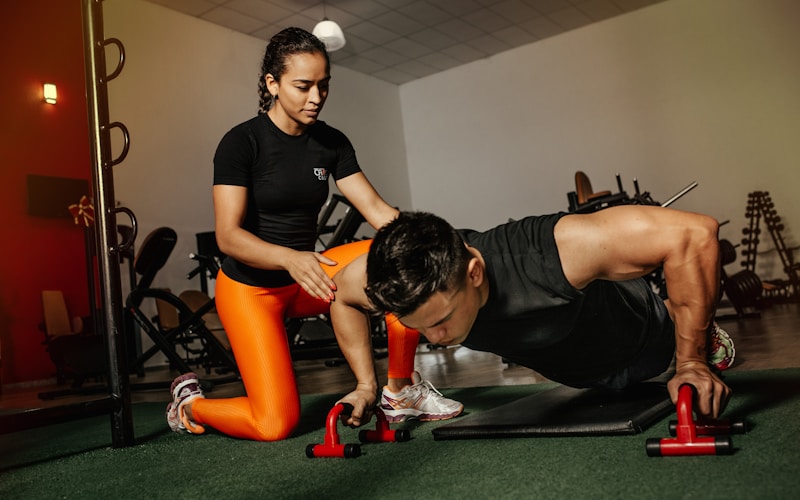
Hip, glute, and core strength are your injury prevention foundation
Many runners focus exclusively on logging kilometres, believing more running equals better preparation. But hip, glute, and core strength are fundamental to injury-free running. These muscles control your pelvis and leg alignment with every foot strike — when they’re weak, your knees, shins, and feet absorb excessive force.
Include targeted strength training twice per week focusing on single-leg stability, glute activation, hip strengthening, and core work. These sessions don’t need to be long — 20-30 minutes is sufficient to build the stability that keeps you healthy through increasing training loads.
Neglecting Recovery and Rest Days
Rest days aren’t optional extras — they’re when your body adapts and strengthens. Training stimulus breaks muscle fibres down; recovery builds them back stronger. Without adequate recovery, you accumulate fatigue and microdamage that eventually manifests as injury.
Schedule at least two complete rest days per week during training, and don’t fill them with high intensity cross-training. True rest means gentle movement only — walking, easy cycling, or mobility work. Your training gains happen during recovery, not during the run itself.
How Osteopathy Supports Your Charity Run Training

Professional assessment identifies issues before they become injuries
Biomechanical Assessment: Identify Issues Before Injury Occurs
Every runner has unique biomechanics — the way your foot strikes, how your knee tracks, your hip stability, and pelvic alignment all influence injury risk. An osteopathic biomechanical assessment identifies movement patterns placing excessive strain on specific structures before pain develops.
We assess your running gait, check joint mobility throughout your kinetic chain, identify muscle imbalances, and determine whether previous injuries have created compensatory patterns. This comprehensive evaluation creates a baseline understanding of your body’s strengths and vulnerabilities, allowing targeted preventative work.
Injury Prevention Through Regular Treatment
Maintaining muscle balance and joint mobility throughout your training cycle prevents the gradual accumulation of tension and restriction that leads to injury. Regular osteopathic treatment — typically every 3-4 weeks during intensive training — addresses emerging tightness, maintains optimal movement patterns, and ensures your body handles increasing training loads efficiently.
This proactive approach is far more effective than waiting for injury to force you into reactive treatment. Think of it as regular maintenance for your most important piece of running equipment — your body.
Rapid Recovery When Niggles Appear
When early warning signs do appear — and they often do during training progression — prompt osteopathic treatment addresses them before they escalate into race-ending injuries. We use hands-on techniques to release muscle tension, improve joint mobility, reduce inflammation, and identify whether your training load needs temporary modification.
Early intervention typically means 1-2 treatment sessions combined with minor training adjustments gets you back on track quickly. The same issue left for weeks might require complete rest and months of rehabilitation.
Pre-Race Preparation Treatment
The week before your charity run isn’t the time for intensive treatment, but a pre-race tune-up ensures you’re at your best on event day. We address any lingering tightness, optimise joint mobility, and provide specific advice on race-day preparation, warm-up, and post-race recovery.
Many runners report that pre-race osteopathic treatment helps them feel loose, confident, and physically ready to perform at their peak when it matters most.
Your Training Success Strategy
Crossing the finish line of your charity run requires more than just logging kilometres. It demands smart training progression, attention to your body’s signals, injury prevention strategies, and professional support when needed.
Running for a worthy cause is one of the most fulfilling challenges you can undertake. The training journey builds not just physical fitness but mental resilience, connects you with a community of like-minded people, and creates a profound sense of achievement when you complete your goal.
Don’t let preventable injury rob you of that experience.
Training for a charity run and want to stay injury-free? Book a biomechanical assessment with our running-specialist osteopaths. We’ll identify your injury risks, optimise your movement patterns, and support you every step of the way to the finish line.
FREQUENTLY ASKED QUESTIONS
Q: How far in advance should I start training for a charity 5K, 10K, or half marathon? For a 5K charity run, allow 8-10 weeks if you’re new to running or returning after time off. This provides enough time to build your base safely without rushing your body’s adaptation. For a 10K, plan 12-14 weeks of structured training. Half marathons require 14-16 weeks minimum for beginners, or 12 weeks if you’re already running regularly. The key isn’t just completing the distance — it’s building the conditioning to finish strong while minimising injury risk. Starting too close to race day forces rushed training progression that dramatically increases injury likelihood.
Q: What are the warning signs I should stop running and seek treatment? Stop running and seek professional assessment if you experience sharp or sudden pain that alters your gait, pain that progressively worsens during a run rather than easing after warm-up, pain lasting more than 48 hours after running, swelling or visible inflammation, or pain that returns immediately when you resume running after rest. Other red flags include pain that wakes you at night, numbness or tingling sensations, and any pain that’s getting worse despite reducing your training. Early intervention for these symptoms typically requires minimal time off; ignoring them often leads to weeks or months of forced rest.
Q: Should I still run if I have knee pain or shin splints during training? It depends on the severity and pattern of pain. Mild discomfort that completely resolves within 24 hours and doesn’t worsen with continued training might be manageable with load reduction, strength work, and osteopathic treatment while continuing modified training. However, pain during running that alters your form, persists after runs, or gradually worsens week-to-week requires stopping running temporarily. Continuing to run through significant shin splints or knee pain risks stress fractures or chronic tendon damage requiring months of recovery. A professional assessment determines whether you can continue training with modifications or need complete rest — the answer varies case by case.
Q: What strength exercises should runners do to prevent injuries? Essential strength exercises for injury prevention include single-leg deadlifts for hamstring and glute strength, clamshells and lateral band walks for hip stability, single-leg calf raises for achilles and calf strength, planks and dead bugs for core stability, and single-leg squats or step-downs for knee control and quad strength. Perform these exercises 2-3 times per week, focusing on control and quality rather than speed or heavy resistance. Each session needs only 20-30 minutes. These movements directly address the muscle weaknesses and stability deficits that cause the majority of running injuries.
Q: How can osteopathy help me prepare for race day and recover afterward ? Pre-race osteopathic treatment optimises your body for peak performance by addressing any residual tightness, ensuring joints move freely, and resolving minor niggles that might otherwise affect your race. We provide specific advice on warm-up routines, pacing strategies to minimize injury risk, and what to do if pain appears during the race. Post-race treatment accelerates recovery by reducing muscle soreness and inflammation, addressing any acute strains or compensatory patterns from race-day effort, and identifying whether any problems require ongoing attention. Many runners schedule appointments for 2-3 days before their race and 2-3 days after for optimal preparation and recovery.
Contact our friendly Osteo team at MOSIC. We can help you prevent or recover from your injuries.
